Prefab container house
The popularity of modern, affordable housing has brought attention to innovative construction methods, with the prefab container house being one of the most sought-after solutions. Many people are curious about what materials are used in building a prefab container house and why these homes are considered both durable and eco-friendly. Understanding the components that make up a prefab container house sheds light on its practicality, longevity, and ability to provide a comfortable living space.
At the heart of a prefab container house is the steel structure. Shipping containers, which serve as the foundation, are typically made from corten steel, a type of weathering steel designed to resist corrosion and harsh environmental conditions. This steel provides the primary structural support, making the home strong, resilient, and capable of withstanding extreme weather. Because of this robust material, a prefab container house is highly durable and often requires less maintenance compared to traditional wooden or brick homes.
While steel ensures structural integrity, insulation is critical in creating a comfortable interior environment. Since steel can conduct heat and cold quickly, proper insulation prevents extreme temperature fluctuations. Common insulation materials used in prefab container houses include spray foam, rigid polyurethane panels, and fiberglass. Spray foam is particularly effective as it fills gaps and creates an airtight seal, enhancing energy efficiency. The right insulation ensures that these homes remain warm during the winter and cool during the summer, making them suitable for various climates.
The interior finishes of a prefab container house also rely on carefully selected materials. Walls and ceilings are often constructed from drywall or plywood, which are lightweight, easy to install, and customizable. These materials allow homeowners to create modern interiors without adding significant weight to the steel structure. Flooring materials, such as laminate, vinyl, or hardwood, are chosen based on durability, design, and comfort. Together, these interior elements transform a simple container into a livable and aesthetically appealing home.
Windows and doors in prefab container houses are made using materials like aluminum and uPVC, known for their durability, low maintenance, and resistance to weathering. Double-glazed glass is often used for windows to enhance insulation and minimize noise from the outside. These materials not only improve energy efficiency but also ensure natural lighting and ventilation, contributing to a healthier indoor environment. Properly designed doors and windows also help maintain the overall strength and structural stability of the container.
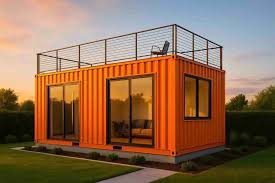
What materials are used in building a prefab container house?
Roofing is another critical component when considering what materials are used in building a prefab container house. Many prefab containers come with reinforced steel roofs that are treated with waterproof coatings to prevent leaks and resist corrosion. Some designs include additional insulation layers or composite roofing panels to improve thermal efficiency. The combination of steel and waterproof materials ensures that the home remains protected from rain, snow, and intense sunlight, extending the lifespan of the structure.
Exterior cladding is often applied to enhance both the appearance and functionality of a prefab container house. Composite panels, wood-like finishes, or metal sidings can be used to provide extra protection against weather elements while offering aesthetic flexibility. These materials allow the exterior to blend seamlessly with its surroundings, making prefab container homes not only practical but visually appealing. Additionally, cladding improves thermal insulation and contributes to energy savings over time.
Electrical and plumbing systems in a prefab container house are integrated using conventional building materials but adapted for the modular structure. Copper wiring, PVC pipes, and modern fixtures are installed to ensure safe and reliable operation. These systems are carefully planned to maximize space efficiency while maintaining the integrity of the steel frame. Properly installed utilities make prefab container houses convenient for modern living, combining innovation with practicality.
Sustainability is a key consideration in the materials used for prefab container houses. By repurposing shipping containers and using recyclable or eco-friendly materials, these homes minimize construction waste and reduce environmental impact. Steel, for example, is fully recyclable, and insulation materials can be chosen based on low environmental footprint. Using sustainable materials aligns with the growing demand for environmentally responsible housing, making prefab container houses an appealing option for eco-conscious homeowners.
In conclusion, a prefab container house is built using a combination of high-quality steel, insulation materials like spray foam or fiberglass, durable interior finishes, energy-efficient windows and doors, reinforced roofing, and protective exterior cladding. Electrical and plumbing systems are integrated carefully, while sustainability remains a guiding principle in material selection. These homes offer strength, comfort, flexibility, and a modern aesthetic while reducing construction time and environmental impact. Understanding what materials are used in building a prefab container house highlights why they are becoming a popular choice for those seeking innovative, practical, and sustainable housing solutions. Prefab container houses are redefining the way people approach home construction, proving that functionality and style can coexist efficiently.